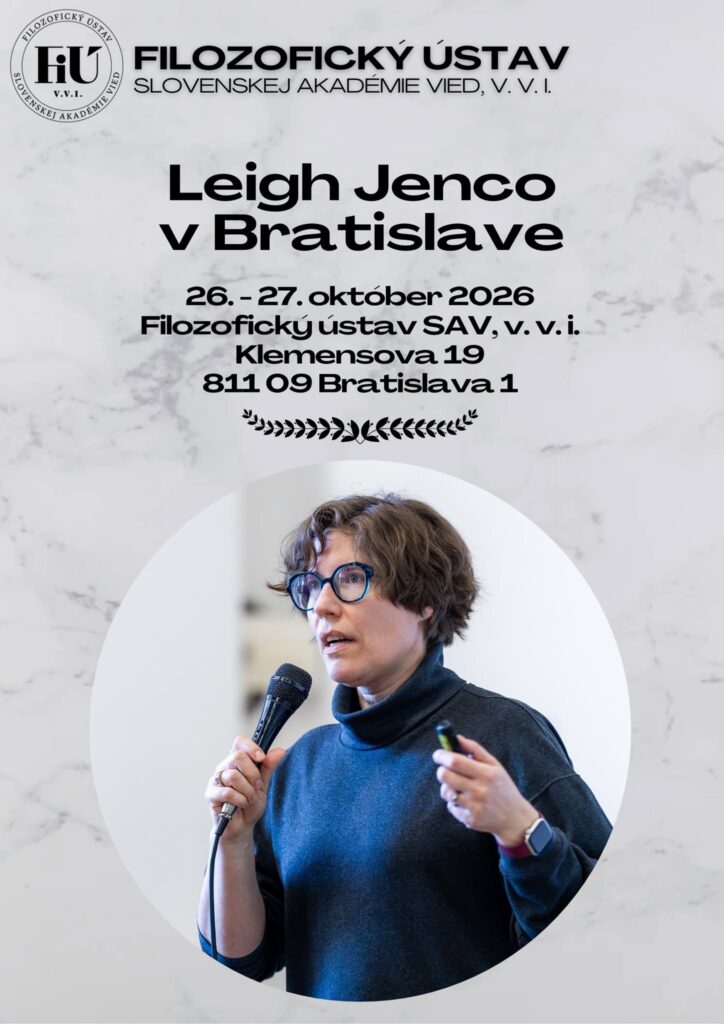
During the last week of October, Bratislava was visited by Leigh Jenco, a professor at the London School of Economics and Political Science and a prominent figure in contemporary comparative and global political theory. Her research focuses primarily on Chinese political thought from the 16th to the early 20th century, questions of modernity, and ways to move beyond Eurocentric approaches to political philosophy. She is the author of the monographs Making the Political: Founding and Action in the Political Theory of Zhang Shizhao (2010) and Changing Referents: Learning Across Space and Time in China and the West (2015). She also edited the scholarly volume Chinese Thought as Global Theory (2016).
Leigh Jenco’s research is particularly significant because it extends beyond the Western academic focus on the earliest periods of Chinese philosophy—most notably the era of the “Hundred Schools of Thought.” Instead, she directs attention to later periods of Chinese intellectual history, which are essential for understanding the country’s modernization, political transformations, and relationship with Western thought. Furthermore, her work challenges the notion that modernity is an exclusively Western historical and civilizational phenomenon.
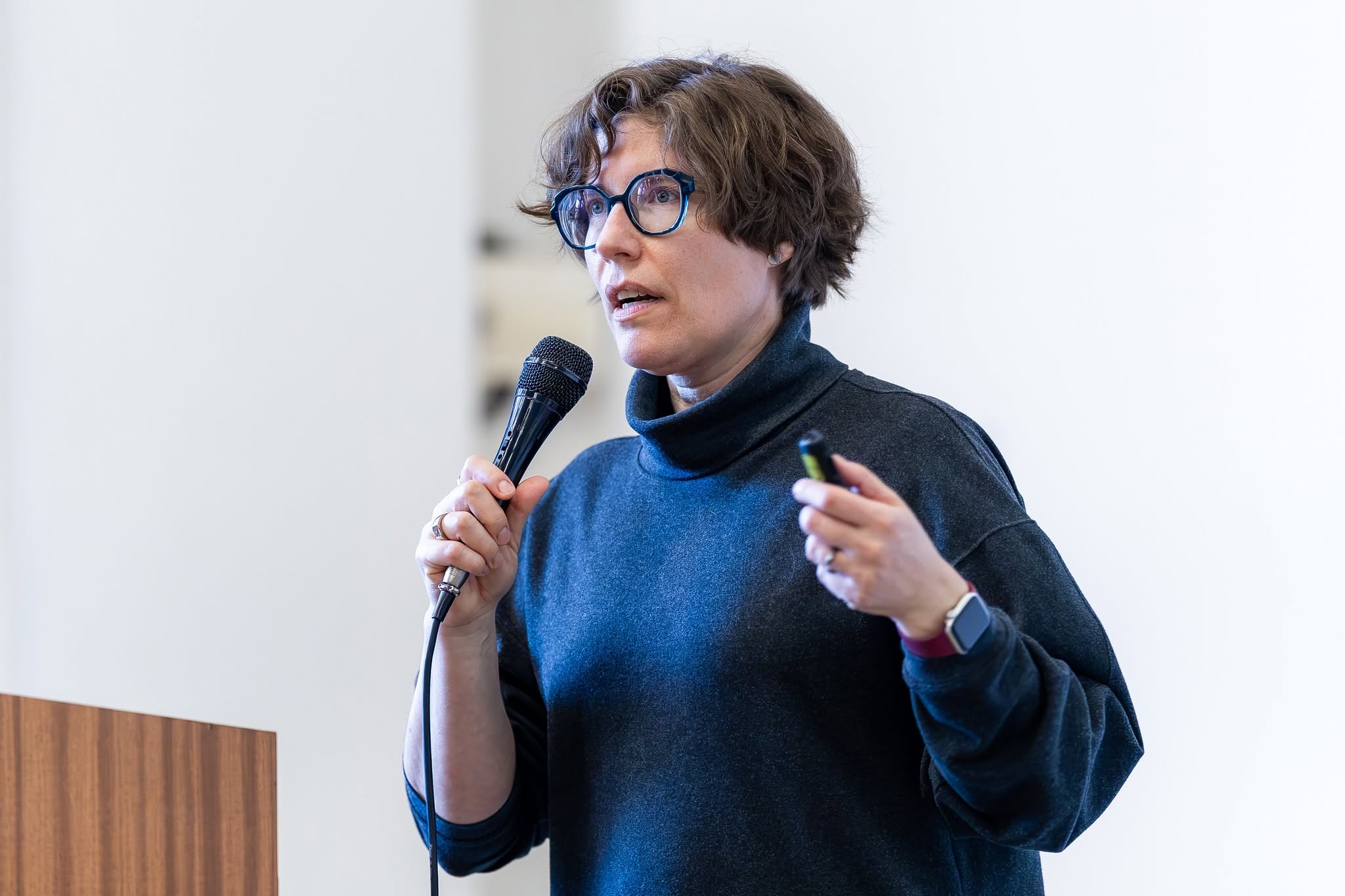
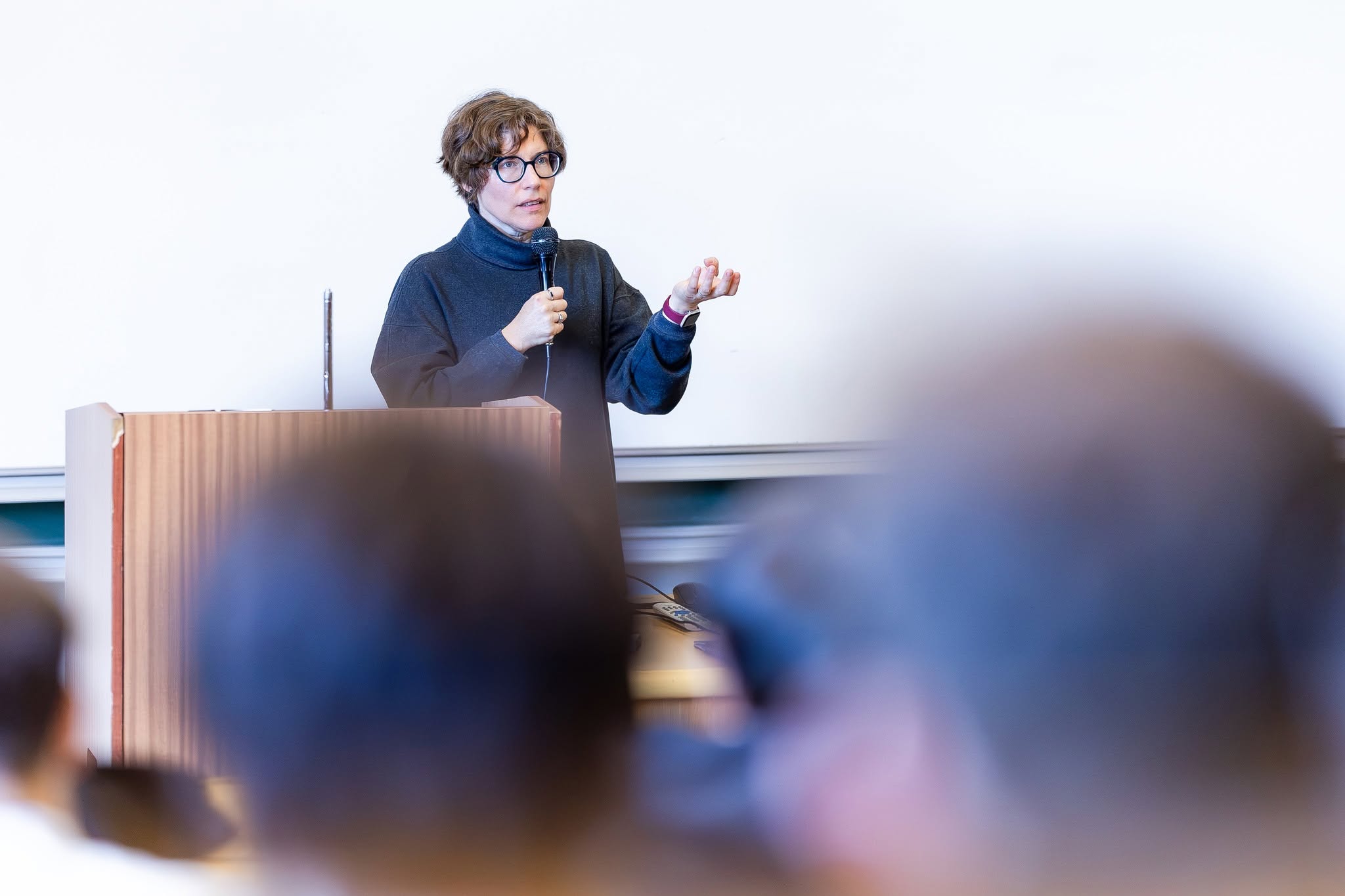
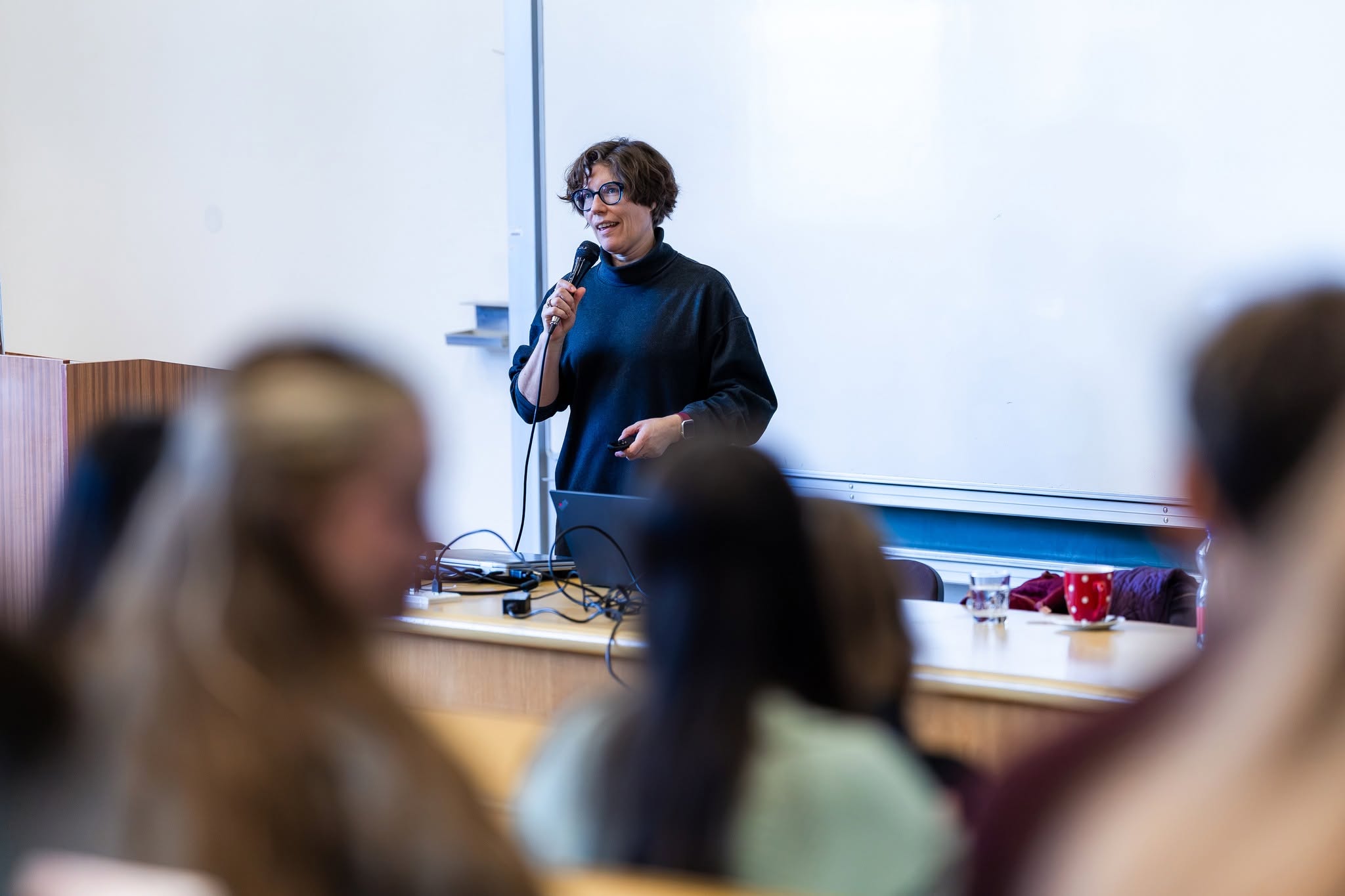
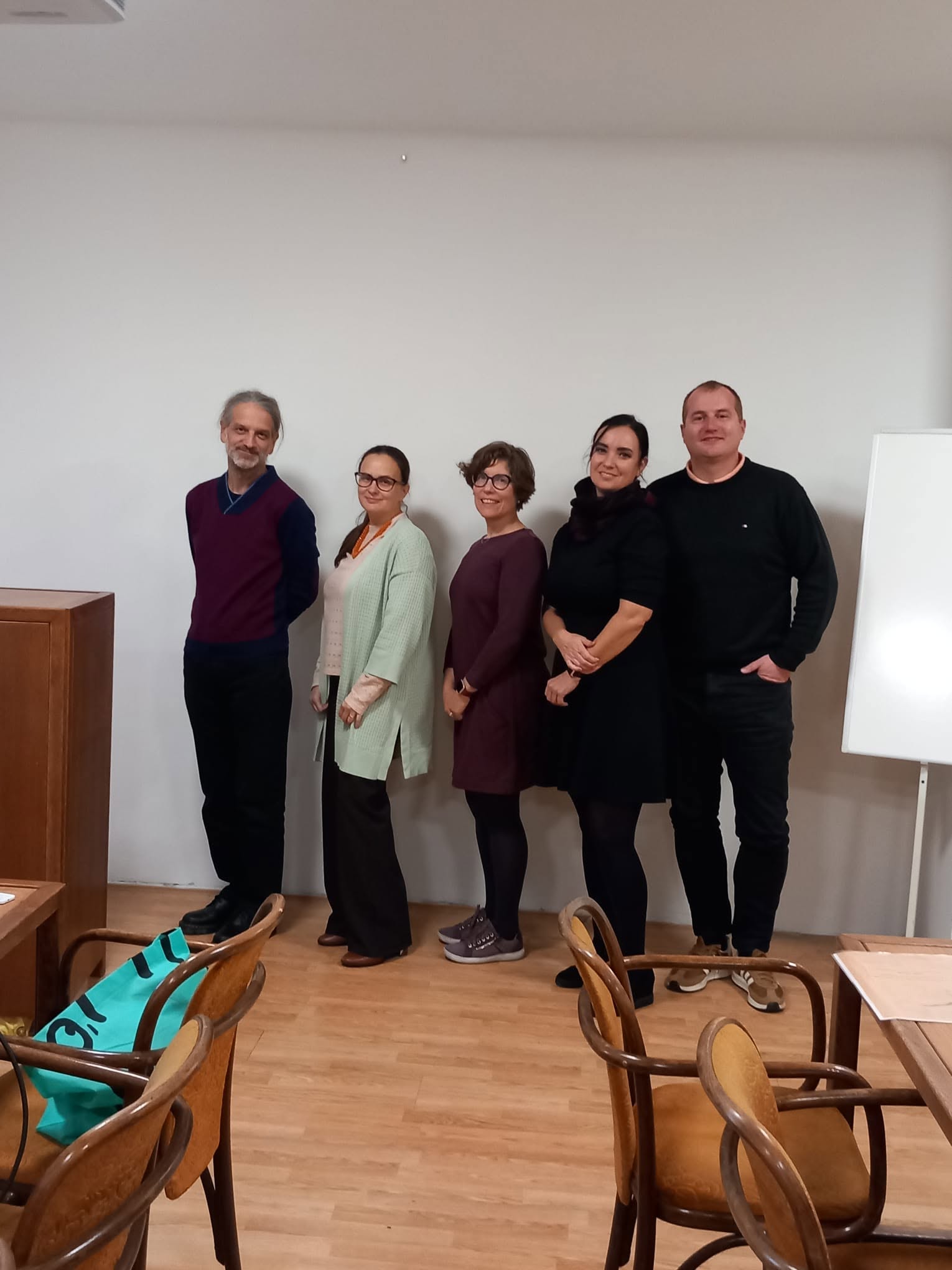
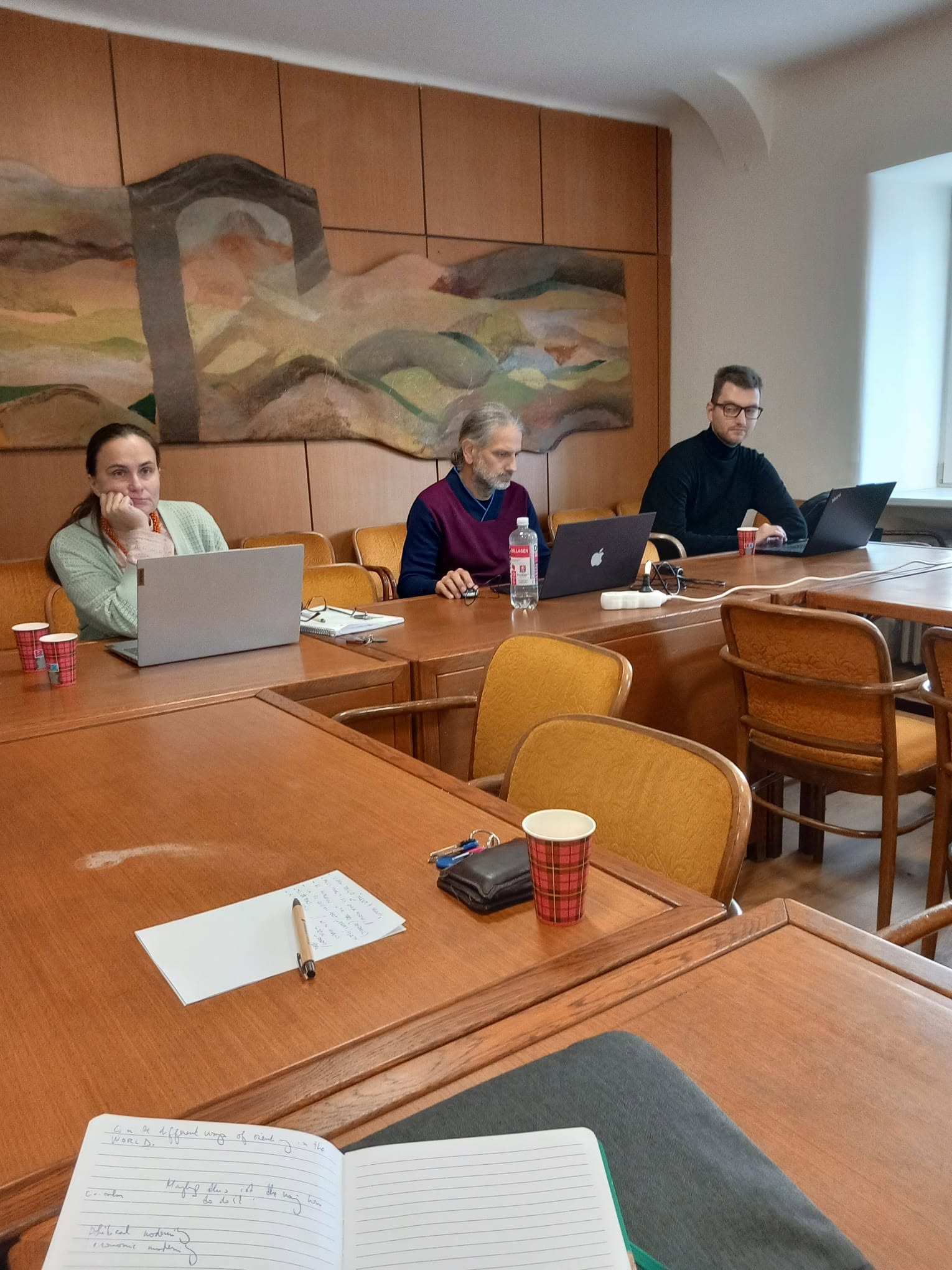
On Monday, October 26, 2026, Leigh Jenco led a specialized seminar at the Institute of Philosophy of the Slovak Academy of Sciences (SAV) titled “Chinese Early Modernity and Civilisation: A Philosophical Conversation.” The seminar focused on the issue of early Chinese modernity, the philosophical implications of the transition from the Ming to the Qing dynasty during the 16th and 17th centuries, and China’s intellectual confrontation with the West at the turn of the 19th and 20th centuries. The discussion also addressed methodological questions related to the international research project “Cosmopolitanism and Tianxia: Toward the Shared Ground of Mutually Beneficial and Respectful Understanding in Global Political Thought.”
One of the central themes of the seminar was the concept of “multiple modernities.” Can modernity be understood as a universal historical process, or do distinct forms of modernity exist—shaped by specific cultural and civilizational contexts? How can we interpret modern Chinese thought without automatically evaluating it through the lens of Western philosophical and historical categories? Furthermore, how might an exploration of the Chinese intellectual tradition contribute to a re-evaluation of the very concept of modernity?
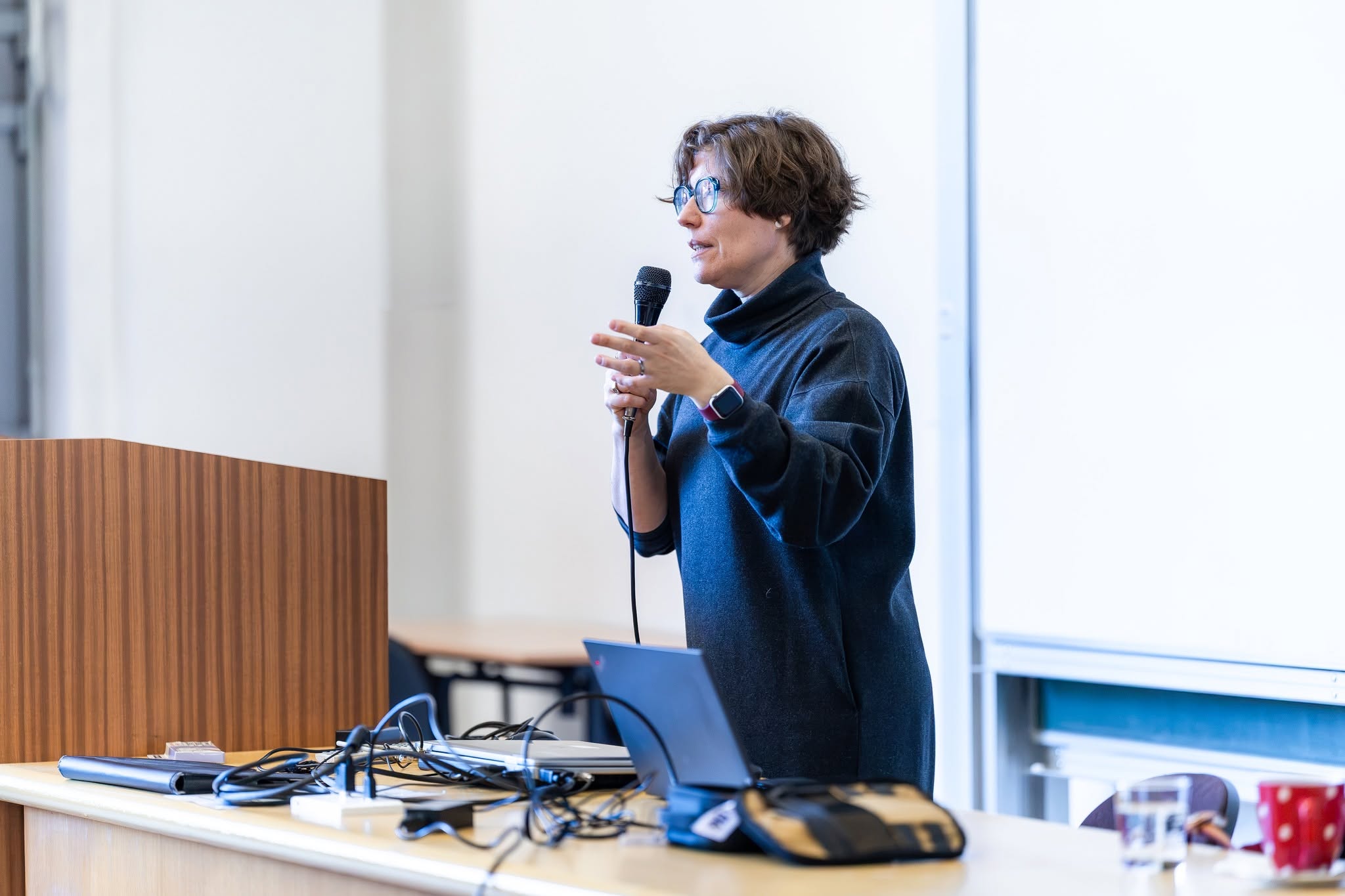
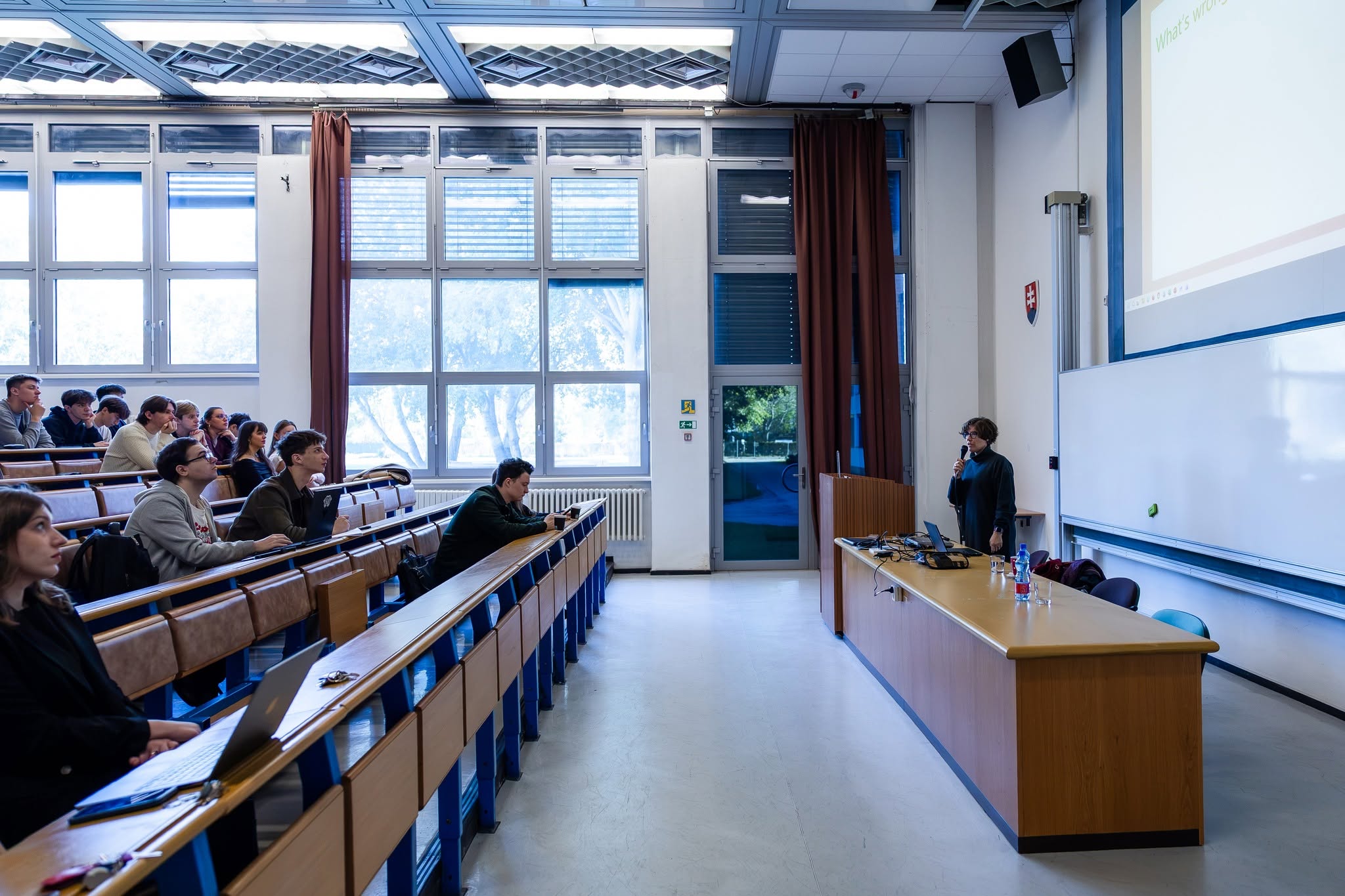
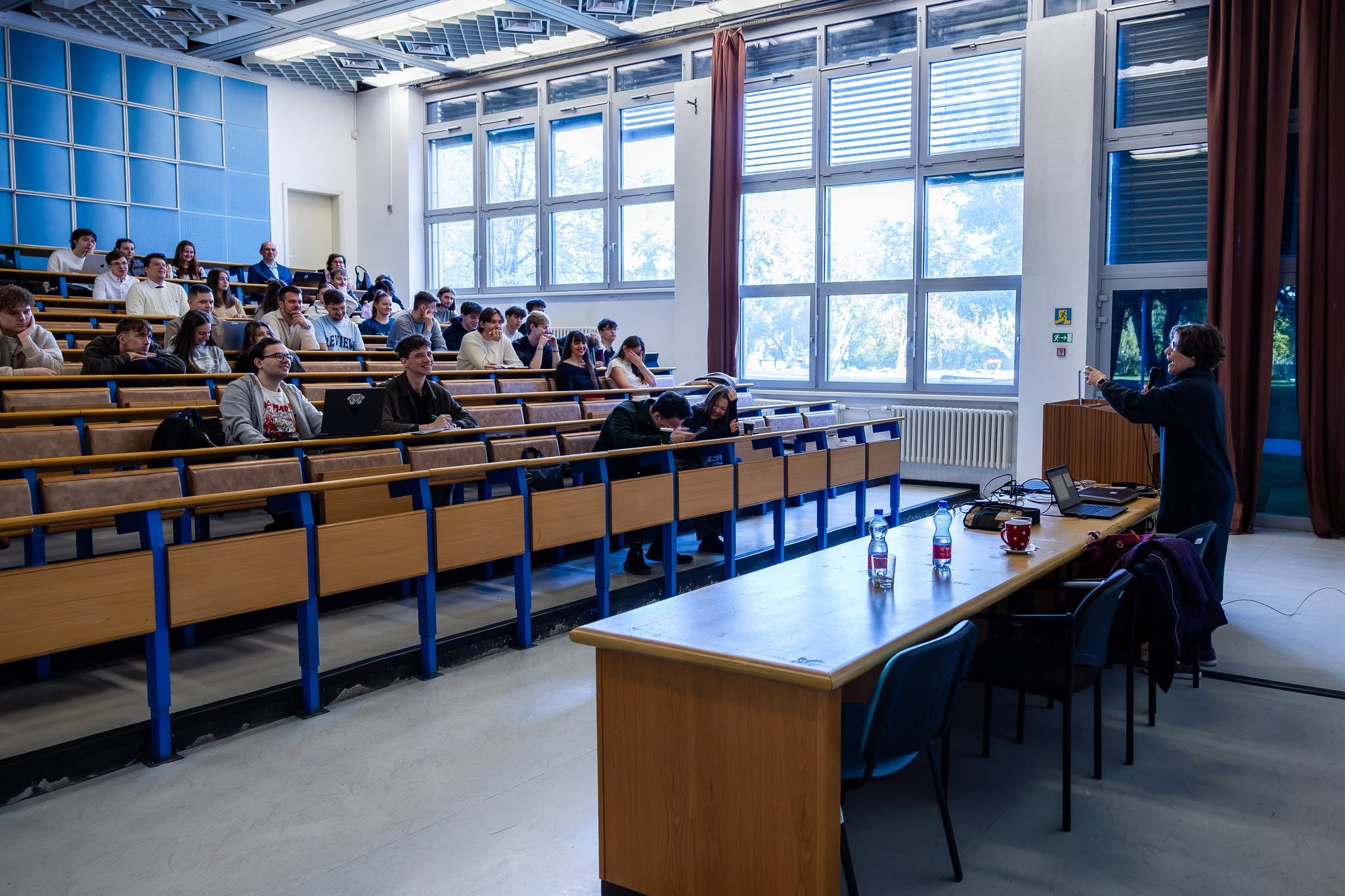
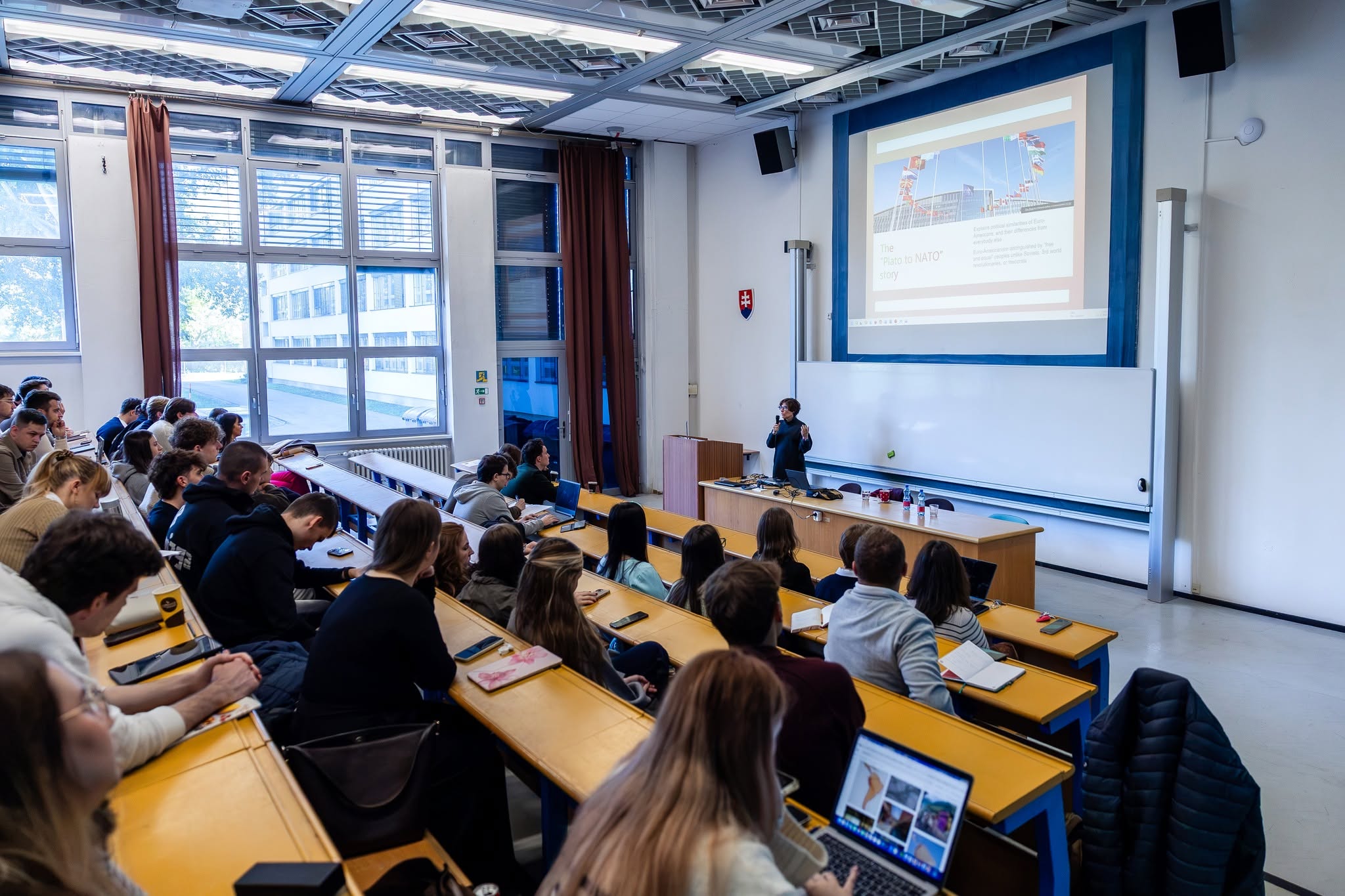
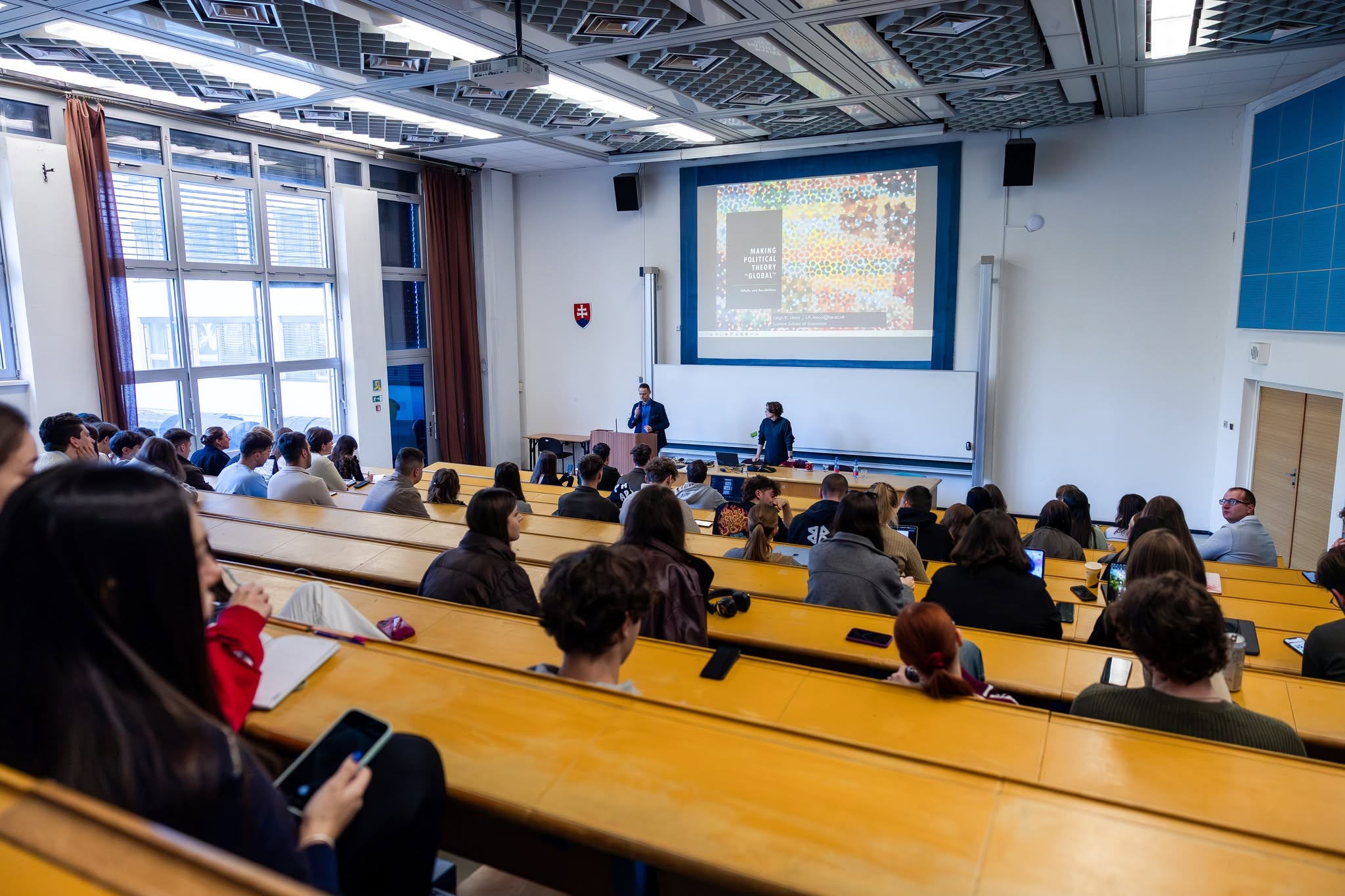
On Tuesday, October 27, 2026, Leigh Jenco delivered a public lecture at the Faculty of International Relations at the University of Economics in Bratislava, titled “Making Political Theory ‘Global’: Pitfalls and Possibilities.” She examined the potential and the challenges involved in developing a truly global political theory. Through an exploration of philosophical questions and paradoxes, she demonstrated why it is essential to transcend the traditional boundaries of Western political thought and to engage with non-Western intellectual traditions as equal sources of theoretical knowledge.
The central question of the lecture was whether it is even possible to develop a truly global political theory—one that is not merely an extension of Western philosophical categories to other cultural and civilizational contexts. Leigh Jenco emphasized that non-Western intellectual traditions cannot be reduced to passive objects of research, nor to a mirror through which Western thought reflects upon itself. Instead, they should be understood as autonomous sources of knowledge capable of significantly enriching, challenging, and transforming our own theoretical foundations.
Throughout both events, Professor Leigh Jenco demonstrated not only exceptional scholarly erudition but also intellectual openness, curiosity, and empathy. Her contributions served as a reminder that truly global thinking requires more than just an acquaintance with other philosophical traditions; it demands a willingness to re-examine one’s own assumptions and to take seriously the truth claims articulated by other communities of argument. It is precisely this kind of approach that can contribute to the development of a political theory capable of reflecting the complexity, plurality, and interconnectedness of the contemporary world.